
The best time to find a furnace problem is before the first cold snap, not on the night your heating system has to run for hours without a break. A simple pre-season check can reveal a dirty filter, blocked airflow, thermostat problem, unusual startup behaviour or a venting issue while there is still time to deal with it.
Homeowners in Surrey, Delta and the Lower Mainland often move from mild fall weather to a sudden stretch of colder nights. That makes an early test especially useful: the furnace may have been mostly idle for months, while dust, storage changes, renovations or a thermostat adjustment can affect the first heating cycle.
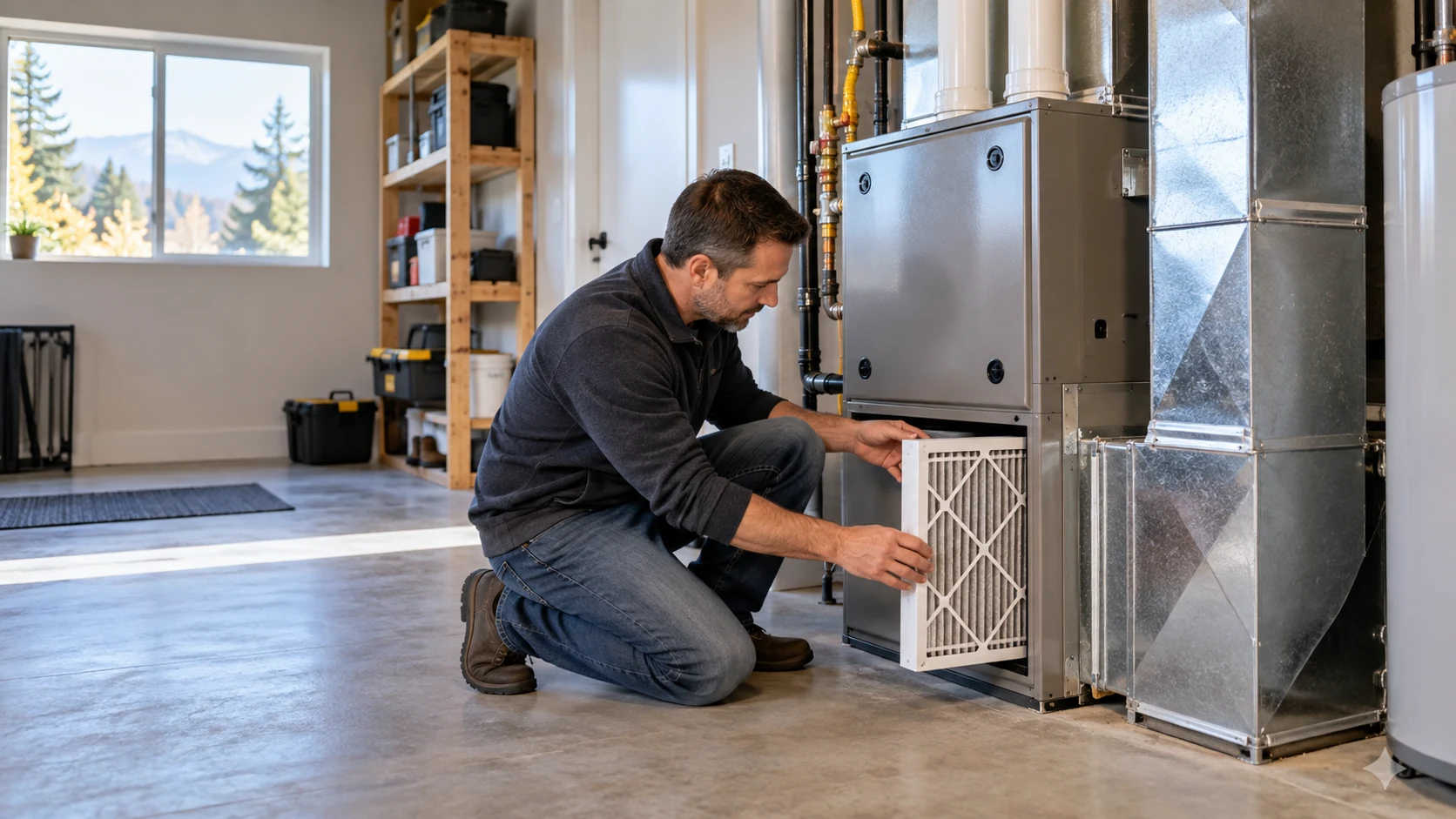
1. Start with the furnace filter
A clogged filter restricts airflow through the heating system. That can make the furnace work harder, reduce comfort at the registers and contribute to overheating or nuisance shutdowns. FortisBC advises checking a furnace filter at least every three months and replacing or cleaning it regularly; homes with pets, smokers, renovation dust or heavy system use may need more frequent checks.
Before the heating season, pull the filter only if it is designed for homeowner access. Confirm the airflow arrow points in the correct direction and use the filter size and type recommended for the equipment. A higher filtration rating is not automatically better if the furnace and duct system are not designed for the added resistance.
2. Test the thermostat before you actually need heat
Choose a mild day and switch the thermostat to Heat. Raise the setpoint a few degrees above the room temperature, then let the furnace complete a full cycle. The exact startup sequence varies by furnace, but the system should respond consistently, produce warm air after a short delay and shut down normally once the thermostat is satisfied.
- If the thermostat screen is blank, check its batteries if your model uses replaceable batteries.
- If the furnace does not respond, avoid repeatedly switching it on and off. A control, ignition, safety or power issue may need diagnosis.
- If you recently installed a smart thermostat, confirm the heating schedule and equipment settings before the first cold night.
If the fan runs but the registers stay cool throughout the heating cycle, review the common reasons a furnace blows cold air. Persistent cold airflow can signal an ignition, airflow or safety-control fault rather than a simple thermostat adjustment.

3. Check airflow at more than one register
Do not judge the system from the vent closest to the furnace. Walk through the home after the furnace has been running for several minutes. Supply registers should be open unless your system was professionally balanced otherwise, and return grilles should not be blocked by furniture, rugs, boxes or curtains.
A single weak room can point to a local duct or balancing issue. Weak airflow throughout the home can be related to a loaded filter, blower problem, closed damper, return-air restriction or another system condition. If airflow is noticeably different from last winter, a furnace maintenance visit can help identify the cause before the system is under peak demand.
4. Look around the furnace — without opening or modifying it
The area around the furnace should be clear and accessible. Remove cardboard boxes, paint, solvents, laundry and other stored items that could interfere with access, airflow or safe servicing. Do not remove panels, adjust gas components or reach inside the burner compartment as part of a homeowner checklist.
Also look for anything new since last winter: water staining, rust, loose-looking vent connections, unusual soot, damaged wiring that is externally visible, or objects leaning against the equipment. These observations do not diagnose a problem, but they are useful reasons to have the system inspected.
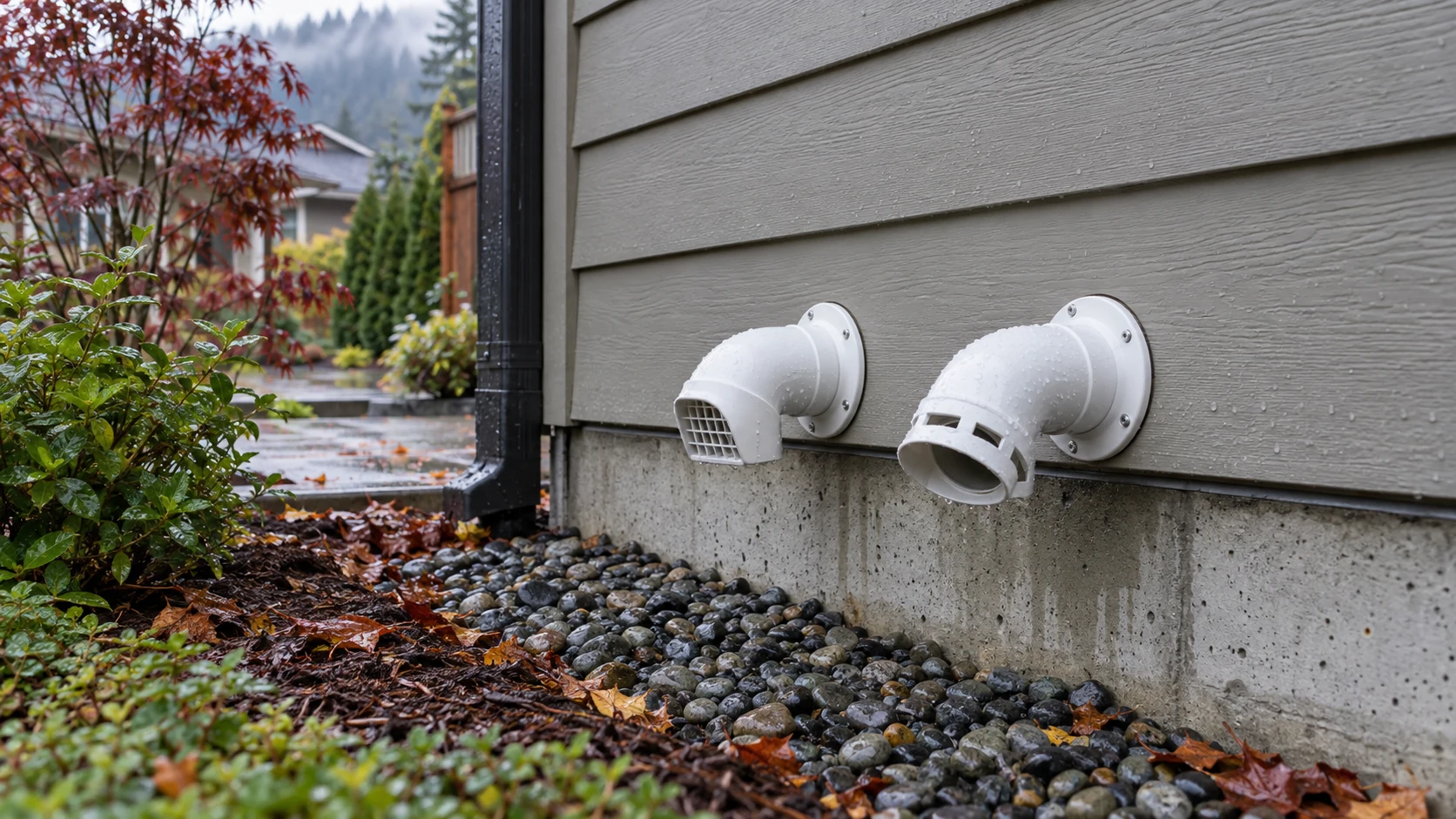
5. Check visible intake and exhaust openings outside
Many high-efficiency furnaces use plastic intake and exhaust piping that terminates outdoors. From ground level, make sure visible openings are not blocked by leaves, nests, landscaping, stored items or other debris. As winter progresses, snow and ice can also obstruct these terminations.
Do not alter the venting, add screens that were not specified by the manufacturer, or chip ice from components in a way that could damage them. If a vent appears damaged or you are not sure whether an opening is correct, have a qualified professional inspect it.
If your home uses a heat pump with a gas furnace as backup, the outdoor unit also needs seasonal attention. See the BC outdoor heat-pump winter preparation guide for that separate system; do not treat its outdoor unit as a furnace intake or exhaust.
6. Confirm smoke and carbon monoxide alarms are ready
Carbon monoxide is colourless and odourless, so a furnace smell is not a reliable way to detect it. Homes with fuel-burning equipment should have working carbon monoxide alarms installed and maintained according to the alarm manufacturer and applicable local requirements. Test alarms using their test buttons and replace batteries or expired devices as directed by the manufacturer.
If a carbon monoxide alarm activates, leave the building and contact emergency services from outside. Do not return until the building has been assessed and cleared by the appropriate responders.
7. Pay attention to the first full heating cycle
The first start of the season is a useful listening test. A mild dusty smell can occur as accumulated dust warms, but the furnace should not produce strong electrical, melting-plastic or persistent burning odours. A rotten-egg or sulfur-like odour can indicate natural gas and should be treated as an emergency: leave the area and contact FortisBC or 911 from outside.
Also listen for new grinding, scraping, repeated clicking, banging or rapid starts and stops. Some furnace noises are normal, including airflow and metal expansion, but a sound that is new, loud or paired with poor heating deserves attention.
Not sure whether a first-startup odour is typical? Compare the warning signs in our guide to furnace smells when first switched on. Never keep running a furnace simply to see if a gas, electrical or smoky smell disappears.
Some older furnaces have a standing pilot, while newer systems often use electronic ignition. If your furnace will not light, read the pilot-light safety and troubleshooting guidance rather than trying generic relighting steps or accessing gas components.
8. Decide whether the furnace needs professional maintenance
A homeowner check is useful, but it is not the same as professional furnace maintenance. A technician can evaluate operating condition, controls, combustion-related components, venting, temperature rise, blower performance and other equipment-specific items that are not appropriate DIY tasks.
If the furnace is overdue for service, behaved inconsistently last winter, had a repair late in the season, or shows any warning signs during your test run, arrange maintenance before colder weather arrives. Accolade’s furnace maintenance service is the right commercial next step; if the furnace is already failing to heat or repeatedly shutting down, use the furnace repair page instead.
For broader seasonal planning, see how often HVAC systems should be serviced in Surrey. Follow the manufacturer’s requirements and your equipment’s actual condition when deciding the appropriate interval.
In an older house with persistent cold rooms, aging ductwork or repeated furnace issues, a maintenance appointment may lead to a larger equipment conversation. The guide to heating-system choices for older Surrey homes explains the considerations without assuming replacement is always necessary.
A practical 10-minute furnace check
- Inspect the filter and replace or clean it if required.
- Set the thermostat to Heat and run one complete cycle.
- Check warm airflow at several supply registers.
- Make sure return grilles and registers are unobstructed.
- Clear storage and combustible materials from around the furnace.
- Look at visible outdoor intake/exhaust openings for blockage.
- Test smoke and carbon monoxide alarms.
- Note any persistent odour, unusual noise, leaking water, repeated shutdown or weak heat.
When should you stop troubleshooting and call for help?
Stop the furnace and arrange professional service if you notice a strong electrical or melting-plastic smell, smoke, repeated shutdowns, unusual mechanical noises, a breaker that repeatedly trips, or heat that does not reach the home normally. If you smell rotten eggs or suspect a natural-gas leak, leave the building and follow FortisBC emergency guidance rather than continuing to troubleshoot.
Final takeaway
A furnace winter checklist should be simple: verify airflow, controls, access and basic safety before the heating season becomes demanding. Testing the furnace early gives you time to address a small problem before it becomes a no-heat call during a Lower Mainland cold snap.
Accolade Heating & Air Conditioning is based in Delta and serves Surrey and the surrounding Lower Mainland. If your furnace needs a pre-season inspection, request furnace service before colder weather puts the system under heavier load.
Frequently Asked Questions
When should I turn my furnace on for the first time in fall?
You do not need to wait for the first freezing night. Test the furnace on a mild fall day when you have time to observe a full cycle. An early test makes it easier to notice a startup problem, schedule maintenance and avoid discovering an issue when the home actually depends on continuous heat.
Should I replace the furnace filter before winter?
If the filter is dirty, loaded with dust or due for replacement under the manufacturer’s schedule, the start of heating season is a good time to change it. Use the correct dimensions and a filter type appropriate for the furnace and duct system.
Is a dusty smell normal the first time the furnace runs?
A light dusty or warm smell can occur when the furnace first runs after months of inactivity. It should fade rather than intensify. Strong electrical, melting-plastic, smoky or persistent odours should be treated differently and may require the furnace to be shut down and inspected.
Should I schedule furnace maintenance every fall?
The correct interval depends on the furnace manufacturer, equipment condition and service history. Many gas-appliance safety and utility resources recommend regular professional maintenance. If you are unsure, check the owner’s manual and your previous service records rather than relying on a generic calendar rule.
What should I do if the furnace does not start during my test?
Check simple items such as the thermostat mode, setpoint and thermostat batteries if applicable. If the furnace still does not respond, avoid repeated resets or opening gas/electrical compartments. Arrange professional diagnosis through a furnace repair service.