Replacing an existing gas furnace
Even a like-for-like replacement should review heating load, airflow, gas, venting, condensate, filter access, thermostat compatibility and the supporting installation before the new unit is selected.

Accolade Heating & Air Conditioning plans gas-furnace replacement around the home’s heating load, ductwork and airflow, gas and venting conditions, controls, permit requirements and commissioning—not simply the size of the old furnace.
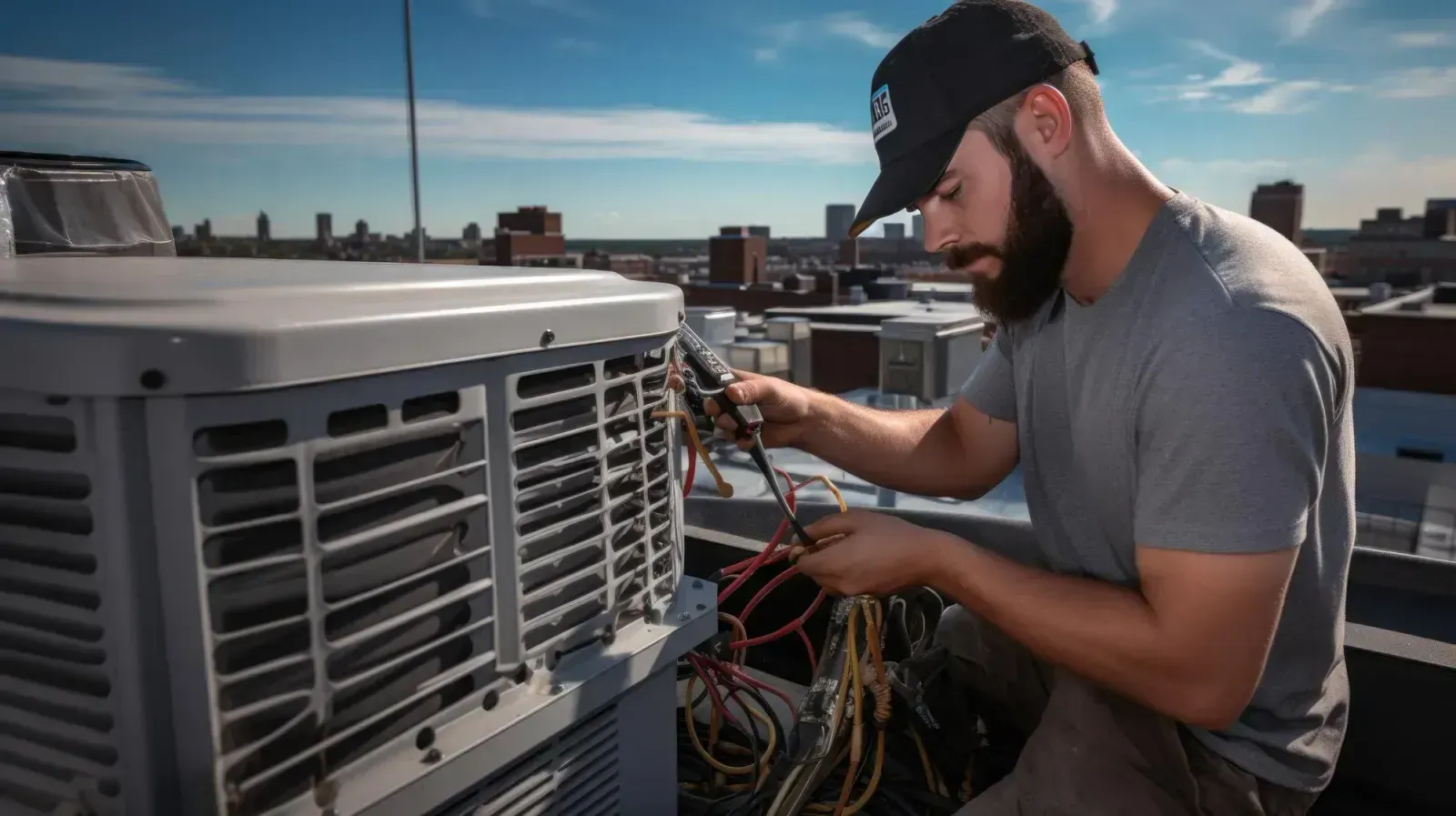
Replacement is normally installation intent. Creating a second Surrey furnace-replacement service page would split relevance and internal authority. The broader furnace services page should stay the hub for repair, installation and maintenance.
Even a like-for-like replacement should review heating load, airflow, gas, venting, condensate, filter access, thermostat compatibility and the supporting installation before the new unit is selected.
If a heat pump, air conditioning, renovation or suite is part of the next phase, the furnace should be planned as one component of the whole system rather than replaced in isolation.
If the current furnace has an active fault but is otherwise serviceable, start with furnace repair and diagnosis before assuming a full replacement is required.
For B.C. Part 9 residential buildings, CSA F280 is the recognized heat-loss and heat-gain calculation framework. It is the appropriate Canadian reference for residential load calculations rather than the U.S. Manual J language that appeared in the previous page.
Why this matters: oversizing can increase cycling and make comfort or airflow problems harder to solve. Undersizing can leave the system unable to meet the design heating load. The replacement furnace should be selected for the current house, not simply copied from the old input rating.

“James installed and has been servicing our Furnace, Central AC and Tankless water heater. His attention to detail, level of transparency, and dependability has been greatly appreciated.”
— Rob Ancell, Delta · Google review
AFUE measures seasonal fuel efficiency. Staging and blower design affect how the system operates and distributes air. A higher-priced control package does not fix poor sizing or ductwork.
| Decision | What It Means | What to Check |
|---|---|---|
| AFUE | Annual Fuel Utilization Efficiency describes how efficiently the furnace converts fuel into useful seasonal heating. | NRCan currently requires 95% AFUE for most residential single-phase gas furnaces in the standard product class, with specific exceptions for certain furnace types. |
| Single-stage | Runs at one primary heating output when there is a call for heat. | Can be a straightforward option where the load, ductwork and comfort expectations are simple. |
| Two-stage | Can operate at a lower stage for lighter heating demand and a higher stage when more output is required. | Controls, setup and actual heating load affect whether the staging delivers the expected comfort benefit. |
| Variable-speed blower | Provides more flexible airflow control than a basic fixed-speed blower. | Duct static pressure, filter design, cooling airflow and commissioning still matter. |
Avoid obsolete efficiency tiers: do not market older low-AFUE ranges as ordinary new residential furnace options without checking current Canadian energy-efficiency requirements for the actual product class.
The quote should explain more than the model number. It should show what is being reused, what is changing, and who is responsible for regulated work and supporting modifications.
| Scope Item | What Should Be Clear |
|---|---|
| Furnace & sizing | Model, capacity, AFUE, stages/blower type and the heating-load basis used to select it. |
| Ductwork & airflow | Any return-air, supply, transition, filter-cabinet or airflow corrections included in the installation. |
| Gas work | Gas piping, shutoff, appliance connection and other gas-system work included in the approved scope. |
| Venting & condensate | Vent routing, intake/exhaust requirements, condensate drainage and any penetrations or restoration assumptions. |
| Electrical & controls | Power, low-voltage controls, thermostat compatibility and supporting electrical work required by the selected equipment. |
| Permits & inspections | Which permits or inspections apply to the actual project and who is responsible for obtaining and closing them. |
| Removal & commissioning | Old-equipment removal, startup checks, airflow/settings verification and owner handoff. |
| Warranty documentation | Manufacturer warranty terms, registration responsibilities and installer workmanship terms if applicable. |
Age matters, but it is only one input. The fault, safety condition, repair history, furnace condition, parts availability, comfort problems and the rest of the HVAC system all affect the decision.
An isolated repair can be reasonable when the furnace is otherwise in serviceable condition and the repair does not reveal a broader safety, airflow or reliability problem.
Start with furnace repair when the immediate question is an active breakdown.
Recurring breakdowns, major component failure, poor overall condition, persistent comfort problems or installation limitations can make replacement a stronger option.
Combustion, venting, heat-exchanger or gas-system concerns need proper diagnosis. Do not continue operating equipment when a qualified technician or authority has identified an unsafe condition.
If the furnace and cooling system share a blower and duct system, replacement is a useful time to decide whether future air conditioning or a dual-fuel heat pump will change the equipment plan.
If conventional cooling is part of the plan, review coil dimensions, blower airflow, controls and future equipment matching before the furnace is installed.
A heat pump paired with a compatible furnace can change how the home heats during milder weather. The controls, sizing and switchover strategy need to be planned as one system.
Compare heat-pump installation before finalizing a furnace-only replacement.
Incentives change by program, equipment, fuel and eligibility. Do not build a furnace recommendation around an old rebate amount.
Review the current HVAC rebate information before making an incentive-dependent decision.
Two quotes can use similar furnace models but include very different supporting work. Compare the full scope rather than only the equipment price.
Review the existing furnace, heating load, ductwork, gas, venting, controls and comfort or reliability concerns.
Compare properly sized furnace options and how efficiency, staging, blower design and future HVAC plans affect the choice.
Review the written scope, regulated work, supporting modifications, applicable permit responsibilities, scheduling and exclusions.
Complete the approved work, perform startup and operating checks, verify settings and review operation and maintenance with the owner.
After installation, ongoing furnace maintenance should follow the equipment manufacturer and actual system conditions rather than a one-size-fits-all service checklist.
B.C. gas fitting has defined certification and permit scope. “Red Seal Certified” by itself is too broad for a page that discusses gas, electrical, controls, airflow and other HVAC work.
Relevant to gas-fitting work. Technical Safety BC defines Class B gasfitter scope for eligible appliances, piping and vents under the appropriate permit. The exact Accolade certificate/class should be published only after verification.
TECA identifies CSA F280-12 as the B.C. Building Code heat-loss/heat-gain calculation framework for Part 9 buildings. This replaces the old Manual J wording on this page.
The page no longer claims Rheem or Ruud “authorized” status without current verification. Equipment can be discussed by brand or model without implying manufacturer authorization.
These are broader supplied customer reviews. They are not presented as three separate Surrey furnace-installation case studies.
“James installed and has been servicing our Furnace, Central AC and Tankless water heater. His attention to detail, level of transparency, and dependability each year has been greatly appreciated.”
“After years of having James maintain, repair and install anything for our gas, heating and plumbing needs, I continue to highly recommend him. Professional, incredibly thorough, educates us every step.”
“He took on an extremely difficult job with our home’s heating system after others refused it and turned a nightmare scenario into a perfectly functioning system.”
Accolade is based in Delta and serves Surrey and nearby Lower Mainland communities. For location-specific service information, use the HVAC service-area directory rather than creating duplicate furnace-installation pages for every neighbourhood.
Tell us about the current furnace, comfort problems, recent repairs and whether you are also considering air conditioning or a heat pump.
Accolade Heating & Air Conditioning provides furnace installation and replacement planning for Surrey-area homes with CSA F280 sizing, gas and venting review, clear scope and commissioning.