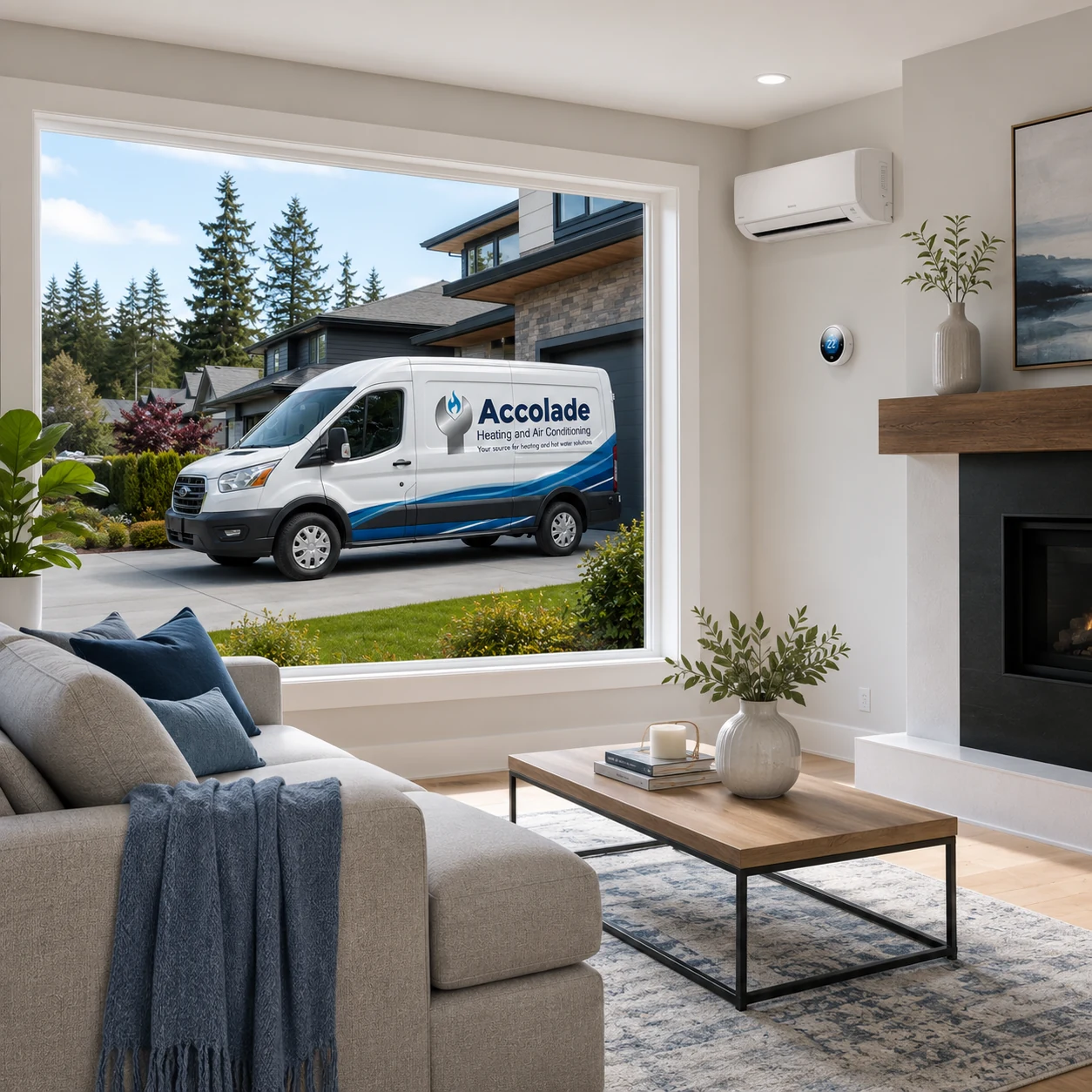
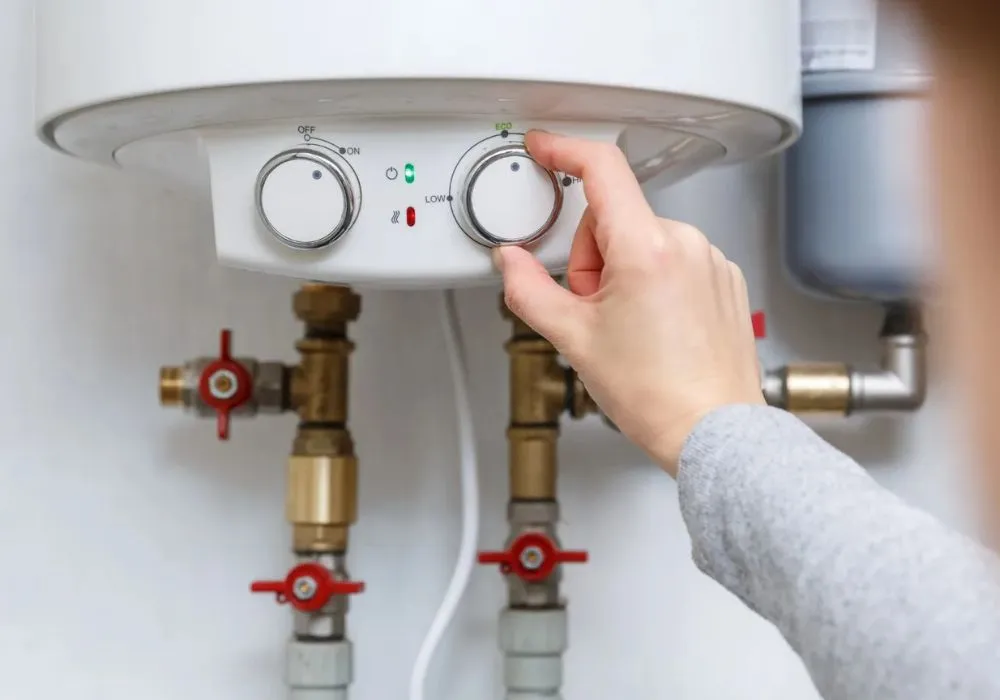
Furnace Service
Diagnostics, repair, maintenance and replacement planning for gas furnaces and related airflow or control issues.
View furnace services
Accolade Heating supports Fleetwood homeowners with furnace, heat-pump, air-conditioning, boiler and water-heating service—from recurring faults in established homes to upgrade planning in newer properties.
Fleetwood includes long-established residential streets as well as substantial new and planned development along the Fraser Highway corridor. That means service calls can involve older furnaces and duct systems, recent construction equipment, townhome access or homes preparing for future cooling and electrification needs.
Newer equipment is not automatically correctly sized or commissioned, and older equipment is not automatically due for replacement. The practical next step is to identify the fault, review the home’s current load and confirm whether airflow, controls, electrical capacity or installation details are contributing to the problem.
Fleetwood homeowners can use the page to choose between diagnostics, maintenance and a planned installation assessment.
Diagnostics, repair, maintenance and replacement planning for gas furnaces and related airflow or control issues.
View furnace servicesAssessment, installation planning, maintenance and repair for ducted and ductless heat-pump systems.
View heat-pump servicesCooling diagnostics, repair, seasonal care and installation estimates for central and ductless systems.
View AC servicesBoiler service and hydronic-system planning involving pumps, controls, zones, piping and radiant heat.
View boiler servicesService and replacement planning for storage tanks, tankless units, combi systems and related venting or drainage.
View water-heater servicesPlanned inspections and maintenance based on the equipment type, operating condition and service history.
View maintenance servicesThe estimate should confirm furnace compatibility, coil fit, duct airflow, electrical work, line-set route, drainage and outdoor-unit placement.
Review actual heat loss, controls, backup heat, noise limits and commissioning rather than relying only on the home’s square footage.
Construction dust and changes to finished space can affect filters, blower condition, returns, supply balance and thermostat performance.
Before increasing equipment capacity, check duct balance, return-air paths, zoning, insulation and whether doors or renovations changed airflow.

Provide the property type, equipment, approximate age, symptoms, access and preferred timing.
The team determines whether the request needs diagnostics, maintenance, an estimate or additional information first.
Before approval, review the diagnosed fault or written installation scope, included work, exclusions and permit responsibility.
Approved work is completed according to the agreed scope, followed by testing, documentation and customer instructions where applicable.
Confirm whether the appointment is for troubleshooting, maintenance or installation planning. These are different scopes and may have different fees.
Review equipment, labour, materials, taxes, disposal, controls, electrical, gas, venting, drainage and restoration assumptions.
The quote should identify permit responsibility. Owners remain responsible for strata, landlord or building approvals not expressly included.
Manufacturer and workmanship coverage should be described in the applicable quote, invoice or warranty document rather than assumed from marketing language.
Programs can change and may require pre-approval, eligible equipment or specific fuel and income conditions. No rebate should be treated as guaranteed.
Online forms are not emergency dispatch. Immediate hazards require the appropriate emergency service or utility before an HVAC service request.
Yes. The installation assessment should review the existing furnace or air handler, duct airflow, electrical service, drainage, line-set route and outdoor-unit location.
Possibly. The answer depends on heat loss, ductwork, electrical capacity, desired backup heat, equipment performance and whether you want to retain a dual-fuel system.
Possible causes include airflow balance, return-air limitations, thermostat location, solar gain, insulation differences, closed registers or equipment setup. Testing is needed before changing equipment.
Yes. Use the dedicated Fleetwood furnace-maintenance page or submit the form and include the furnace age, fuel, recent service history and any current symptoms.
Not necessarily. Planned replacement can provide more time to compare scope and equipment, but a sound system should not be replaced solely because of age without considering condition and repair history.
Use the form at the top of the page and include the property type, system, model or approximate age, symptoms, access requirements and urgency. This helps the team select the appropriate next step.