
Accolade Heating & Air Conditioning installs and replaces central air-conditioning systems for Surrey-area homes. The process starts with cooling-load sizing, ductwork and electrical review, outdoor-unit placement, and a written scope before equipment is selected.
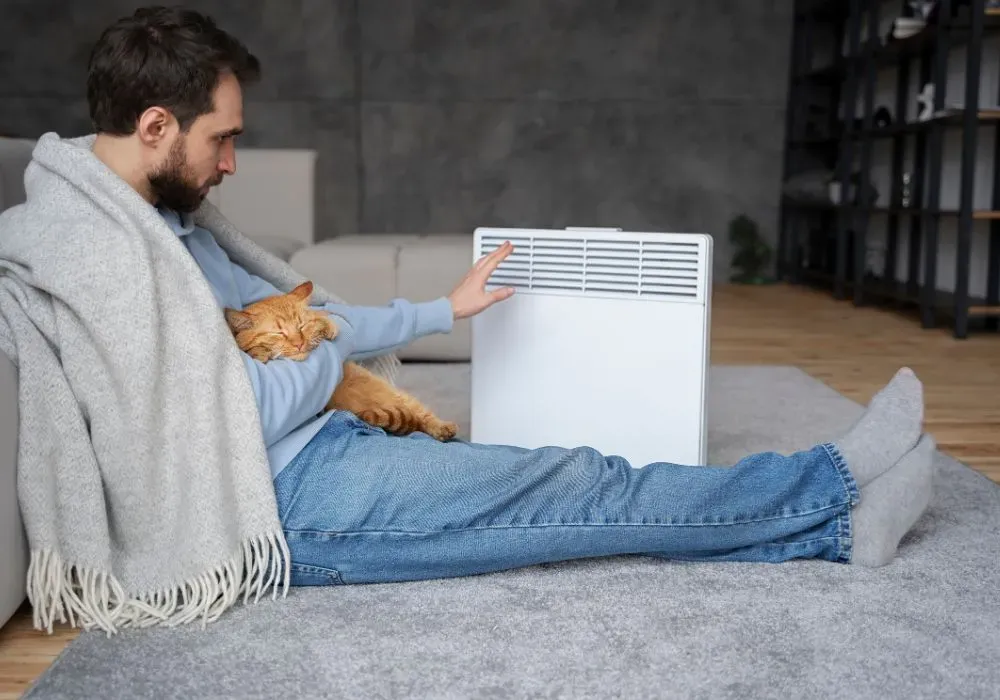
New AC installation and AC replacement have the same goal—reliable cooling—but the site work can be very different. Existing ductwork, electrical capacity, refrigerant lines, condensate drainage and outdoor-unit location all affect the final scope.
A replacement may reuse parts of the existing distribution system, but the ductwork, electrical supply, refrigerant-line suitability, drainage and equipment match should still be checked before selecting a new unit.
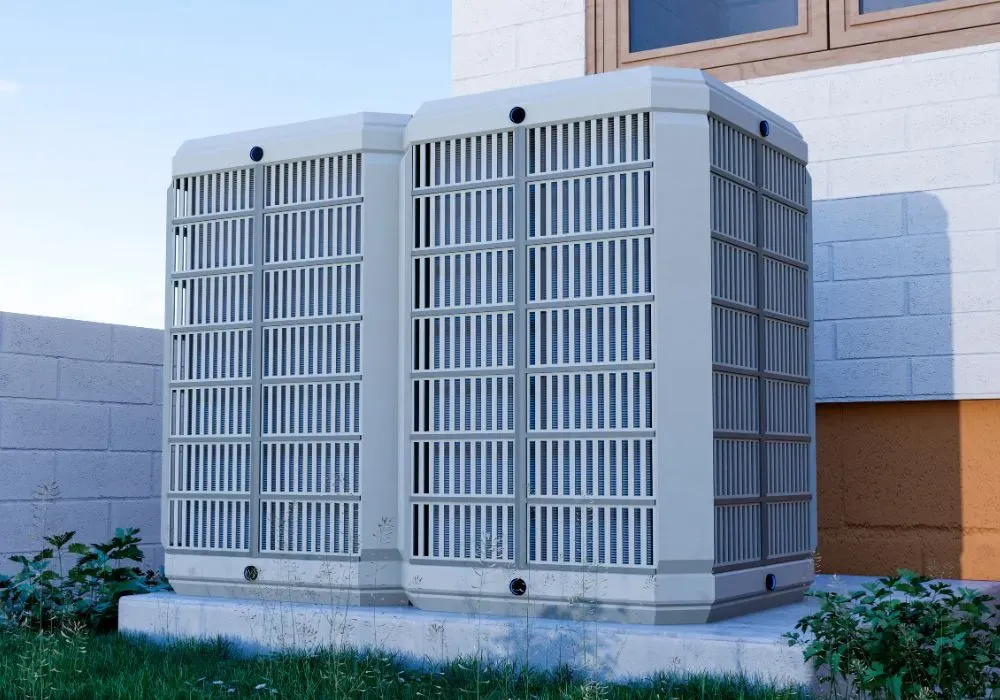
A new cooling coil, outdoor unit, controls, electrical work and refrigerant piping may be required. The furnace blower and duct system also need to support the cooling airflow the new equipment requires.
If you also want to change how the home is heated, compare conventional AC with a heat pump before ordering equipment. A qualifying heat-pump project may have current rebate options that do not apply to AC-only installations.
AC repair or replacement? If the existing system can still be repaired, compare the diagnosed fault, equipment condition, refrigerant circuit, parts availability, comfort problems and the supporting work needed for replacement. View AC repair services.
Cooling capacity depends on more than floor area. Insulation, windows, orientation, air leakage, ceiling height, internal gains, duct conditions and local design temperatures can all change the load.
For Part 9 residential buildings in B.C., CSA F280 is the recognized heat-loss and heat-gain calculation standard. The installation scope should document the sizing method used and any assumptions that affect equipment selection.
"James installed and has been servicing our Furnace, Central AC and Tankless water heater. His attention to detail, level of transparency, and dependability each year has been greatly appreciated."
— Rob Ancell, Delta · May 2025
SEER2 measures seasonal cooling efficiency. A higher rating can reduce electricity use for the same cooling load, but real operating cost also depends on system size, runtime, controls, duct losses, weather and how the home is used.
| What to Compare | What It Means | Why It Matters |
|---|---|---|
| Federal minimum efficiency | Many standard single-phase split-system central ACs manufactured on or after January 1, 2023 must meet at least 13.4 SEER2. | Do not label a broad 14–15 SEER2 range as the universal “B.C. minimum.” Product class matters. |
| Higher SEER2 options | More efficient equipment may use less electricity for the same cooling work. | Compare the installed cost, expected runtime, controls and the actual equipment pairing instead of using an unverified percentage-savings claim. |
| Matched system performance | The outdoor unit, indoor coil, blower and controls need to be compatible. | A high-efficiency outdoor unit cannot compensate for poor airflow, incorrect sizing or a mismatched indoor system. |
Considering a heat pump? Current B.C. heat-pump incentives depend on the program, existing heating fuel, property, equipment and eligibility. Conventional AC-only systems should not be marketed as if they receive heat-pump rebates. Compare heat-pump installation.
A strong quote separates the equipment from the site work required to make that equipment perform correctly.
Model pairing, capacity, efficiency, indoor coil, blower compatibility and the sizing method used for the home.
Supply and return capacity, accessible leakage or restrictions, filter configuration and any airflow issues that may affect performance.
Available service capacity, breaker, disconnect, wiring and any required electrical permit work for the AC equipment.
Line-set condition and suitability, evacuation, leak checking, manufacturer charging procedure and work by qualified personnel under B.C. refrigerant rules.
Condensate routing, outdoor-unit clearances, service access, drainage, vibration and practical noise considerations.
Verify operation, controls, temperature response and relevant airflow or system readings before the installation is closed out.
If the home already has suitable forced-air ductwork, central AC can often integrate with the existing furnace or air handler. Homes without usable ducts may be better served by a ductless heat-pump system rather than adding extensive new ductwork solely for cooling.
A ductless system, conventional AC and central heat pump can all provide cooling, but they solve different building and comfort problems. Compare the distribution system, electrical requirements, heating plans, zoning needs and installation constraints before selecting the technology.
Review the cooling load, existing equipment, ductwork, electrical capacity, outdoor-unit location and any property or strata constraints.
Review equipment capacity, efficiency, replacement scope and whether a heat pump deserves consideration before the final system is selected.
Confirm required electrical permit work, supporting trades, equipment, labour, exclusions and the responsibilities stated in the written quote.
Complete the approved work, follow the manufacturer charging and setup procedures, verify operation and review system use with the owner.
These reviews are broader customer feedback about Accolade and should not be interpreted as three separate Surrey AC-installation case studies.
"James installed and has been servicing our Furnace, Central AC and Tankless water heater. His attention to detail, level of transparency, and dependability each year has been greatly appreciated."
"After 12 years of having James maintain, repair and install anything required for our gas, heating and plumbing needs, I continue to highly recommend him. Professional, incredibly thorough, educates us every step."
"I can't recommend James enough. He took on an extremely difficult job with our home's heating system. Most other plumbers flat out refused the job. James turned a nightmare scenario into a perfectly functioning system."
Tell us whether you are replacing an existing AC system or adding cooling for the first time, along with the current heating system, ductwork and property details.
Accolade Heating & Air Conditioning is based in Delta and serves Surrey and nearby Lower Mainland communities. Request a written AC installation or replacement scope before selecting equipment.