
Many newer furnaces use electronic ignition rather than a continuously burning pilot flame. FortisBC specifically advises homeowners to check the appliance manual because not every furnace has a standing pilot.
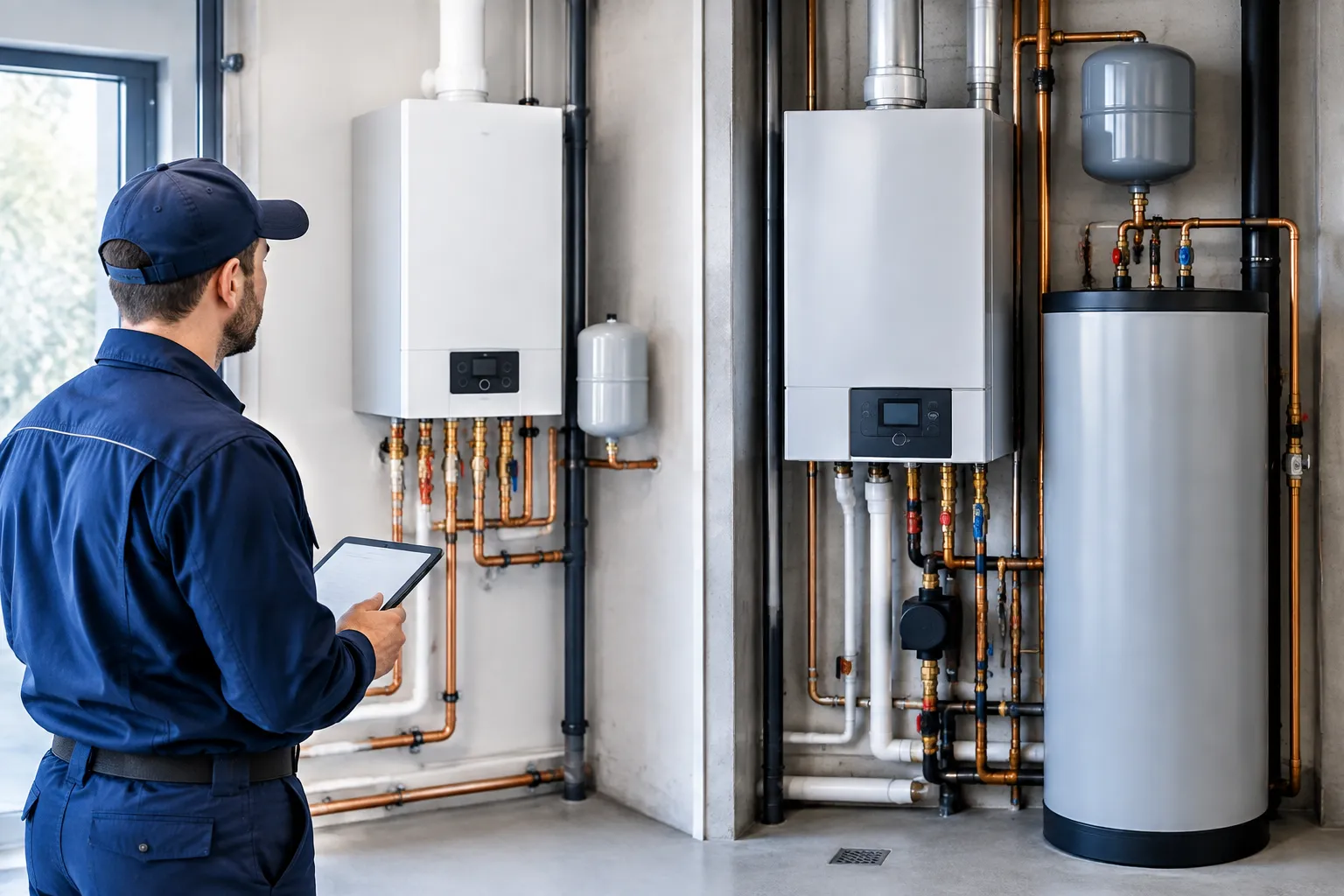
First: does your furnace actually have a pilot light?
Older gas furnaces may use a small flame that remains lit between heating cycles. Its purpose is to ignite the main burners when the thermostat calls for heat.
Newer furnaces commonly use electronic ignition instead. Depending on the equipment, this may be a hot-surface igniter or another ignition system that activates only when heat is required.
That distinction matters because an electronic-ignition furnace cannot be fixed by searching for a pilot flame that does not exist.
Look for:
- the furnace model and serial information
- operating instructions attached to the appliance
- the manufacturer's manual
- wording such as “standing pilot,” “pilot,” or “electronic ignition”
If you cannot positively identify the ignition system, do not start opening combustion components or manipulating gas controls.

What should you check before attempting to relight a pilot?
Check for a gas smell first
Natural gas is given a distinctive rotten-egg or sulphur-like odour so leaks can be detected.
If you smell gas, do not attempt to light the furnace.
FortisBC advises people to stop what they are doing, avoid switches or other ignition sources, leave the building and call the FortisBC emergency line or 911 from outside.
Check the thermostat
Confirm that:
- the thermostat is set to heat
- its set temperature is above the current room temperature
- batteries are working, if applicable
- the thermostat display appears normal
A thermostat problem can look like an ignition problem even though the pilot itself is fine.
Check electrical power
A gas furnace still uses electricity for controls, blowers and, on many units, ignition.
Check whether the furnace switch or breaker has been turned off or tripped. If a breaker repeatedly trips, do not continue resetting it; that indicates another problem requiring diagnosis.
Check the filter and vents
A badly restricted filter can contribute to overheating and safety-limit shutdowns. Check the filter condition and make sure supply and return openings are not blocked.
This does not directly relight a standing pilot, but it can explain why a furnace starts and then stops.
How do you safely relight a furnace pilot light?
There should not be one universal set of relighting instructions for every furnace.
Gas-control layouts, ignition sequences and waiting periods differ between appliances. If your furnace genuinely uses a homeowner-lightable standing pilot, use the instructions printed on the furnace or supplied by its manufacturer.
- improvise a lighting procedure
- use another furnace model's instructions
- repeatedly attempt ignition
- bypass a safety control
- alter a thermocouple, gas valve or burner
- continue if you smell gas
Technical Safety BC states that servicing and maintenance of gas appliances should be performed by appropriately qualified gas professionals.
Why does a furnace pilot light keep going out?
A pilot that goes out once may have a simple explanation. A pilot that repeatedly goes out should be treated differently.
A dirty or restricted pilot assembly
Contamination can affect how the pilot burns and whether the safety system properly senses the flame. Cleaning burner or gas-control components goes beyond a basic homeowner check.
Thermocouple or flame-sensing problems
Older standing-pilot appliances commonly use a safety device that confirms a flame is present before allowing continued gas flow. If that device cannot reliably detect the flame, the pilot may not remain lit.
Gas-supply or pressure problems
A weak or unstable pilot should not automatically be blamed on the pilot assembly itself. Gas-supply conditions require proper testing.
Drafting or venting issues
Changes in combustion air, venting or strong drafts may affect burner operation. Because venting problems can also create combustion-safety concerns, they should not be treated as a DIY adjustment.
A deteriorating furnace component
Age, corrosion and component wear can make repeated ignition problems a symptom of a larger furnace issue rather than an isolated pilot problem.
What should a healthy pilot flame look like?
A properly operating gas appliance normally should not show persistent abnormal flame behaviour.
Technical Safety BC lists yellow or wavering burner flame, recurring pilot outages, odours and booming during startup among signs requiring service.
Do not attempt to “adjust” the flame yourself.
When is a pilot-light issue a furnace repair problem?
Treat the issue as a repair rather than routine homeowner troubleshooting when:
- the pilot will not stay lit
- it goes out repeatedly
- you hear booming or delayed ignition
- the furnace starts but shuts down again
- the burner flame appears abnormal
- there is soot or scorching
- the furnace has another fault or error code
- you smell gas
- a carbon-monoxide alarm activates
Accolade's dedicated furnace repair service should remain the destination for these transactional and diagnostic searches rather than turning this article into another Surrey furnace-repair landing page. Accolade's repair content already covers ignition, airflow, controls and other active furnace faults.
View Furnace RepairPilot-light problems and annual furnace maintenance
Repeated ignition issues are not normal maintenance items.
For a furnace operating normally, annual servicing is a sensible preventive baseline. Technical Safety BC recommends regular servicing of gas appliances and includes inspection of ignition, burners, venting, gas piping and combustion conditions in its furnace-service guidance.
If the furnace is currently failing to ignite, however, book diagnosis through furnace repair rather than describing the appointment as a tune-up.

Furnace pilot light FAQs
Can I relight my furnace pilot light myself?
Only if the furnace actually has a standing pilot and the manufacturer provides a homeowner relighting procedure. Follow the instructions attached to your exact appliance rather than generic steps found online.
Why won't the pilot stay lit after I relight it?
Possible causes include flame-sensing or thermocouple problems, pilot assembly issues, gas-supply conditions or another safety-control fault. Repeated failure needs diagnosis rather than repeated relighting.
Do modern furnaces have pilot lights?
Many do not. Modern furnaces often use electronic ignition that activates when the thermostat calls for heat. FortisBC specifically advises checking the manual because not every furnace has a standing pilot.
Is a yellow pilot flame dangerous?
Persistent yellow, wavering or otherwise abnormal flame behaviour is a reason to stop treating the issue as routine troubleshooting. Technical Safety BC lists abnormal flame conditions as a sign that servicing is needed.
What should I do if I smell gas near the furnace?
Do not attempt to relight it. Leave the building without operating switches or creating another ignition source, then contact FortisBC's emergency service or 911 from outside.
Relighting is not the right answer to every ignition problem.
Finding an extinguished pilot does not automatically mean the furnace simply needs to be relit. First identify the ignition system, check for immediate safety concerns and use only the manufacturer's instructions for that appliance.
If the pilot repeatedly fails, the flame looks abnormal or the furnace still will not heat, the problem has moved beyond basic troubleshooting.